
Storm Restoration Services in Arden-Arcade, Fair Oaks, Citrus Heights, Woodland, Roseville, Orangevale, Sacramento, Elk Grove, Lincoln, Davis, Carmichael, North Highlands, Rancho Cordova, Folsom, Rosemont, Florin, Eldorado Hills
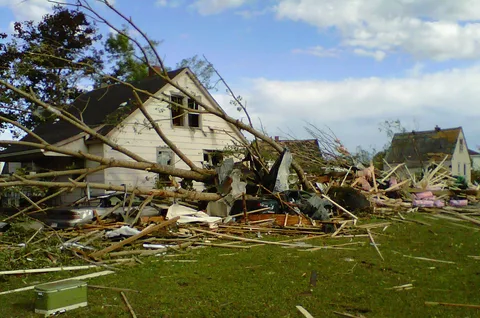
Storms can cause significant property damage within minutes. High winds, heavy rain, hail, and flooding often leave homes and businesses vulnerable. That’s why Storm Restoration Services in Arden-Arcade, Fair Oaks, Citrus Heights, Woodland, Roseville, Orangevale, Sacramento, Elk Grove, Lincoln, Davis, Carmichael, North Highlands, Rancho Cordova, Folsom, Rosemont, Florin, Eldorado Hills play a critical role in helping property owners recover quickly and safely.
When disaster strikes, a professional storm restoration team can evaluate damage, remove hazardous debris, and repair structural issues efficiently. Instead of struggling with repairs on your own, certified restoration professionals bring experience, specialized equipment, and proven processes to restore your property.
This comprehensive guide explains how storm restoration works, why fast action matters, and how professional services can protect your property investment.
Understanding Storm Damage and Its Impact
Storm damage can affect nearly every part of a property. From roofs and windows to electrical systems and foundations, severe weather events often create multiple structural and safety hazards.
Strong winds may rip off roofing materials, while heavy rain can cause water intrusion and flooding. Hailstorms can crack shingles and damage siding. Fallen trees may even compromise the structural integrity of buildings.
Professional storm restoration services address all these issues through a systematic approach designed to restore both safety and functionality.
Common Types of Storm Damage
Property owners in storm-prone regions often encounter several types of weather-related damage:
1. Wind Damage
High winds can tear shingles, break windows, and damage siding. In extreme cases, entire roof sections may be removed.
2. Water Damage
Heavy rainfall or flooding can seep into walls, insulation, and flooring. If untreated, this moisture leads to mold growth and structural deterioration.
3. Hail Damage
Hailstones create dents in roofing materials, gutters, and exterior surfaces. Even minor hail damage can weaken roofs over time.
4. Tree and Debris Impact
Storms frequently knock down trees and branches. These can puncture roofs, damage walls, and block access points.
Why Immediate Restoration Matters
Delaying repairs after a storm can lead to serious complications.
Water intrusion can spread quickly throughout a property, weakening drywall and flooring. Within 24–48 hours, mold growth may begin, which poses health risks and increases restoration costs.
Immediate restoration helps:
Prevent further structural damage
Reduce mold and mildew growth
Protect electrical systems
Restore safe living conditions
Maintain property value
According to the Federal Emergency Management Agency (FEMA), early mitigation and restoration significantly reduce long-term disaster repair costs.
Learn more here: https://www.fema.gov
Complete Storm Restoration Process
Professional restoration companies follow a structured process to ensure efficient recovery after storm damage. This process combines emergency response, technical inspections, and skilled construction work.
Emergency Response and Damage Assessment
The restoration process begins with a rapid emergency response. Technicians arrive quickly to secure the property and prevent additional damage.
Initial services may include:
Emergency board-up of broken windows
Temporary roof tarping
Safety inspections
Moisture detection
Structural assessment
Specialized tools like thermal imaging cameras help professionals identify hidden water damage inside walls or ceilings.
After the inspection, technicians create a restoration plan that outlines necessary repairs, costs, and timelines.
Water Removal and Structural Drying
Water extraction is one of the most critical steps in storm restoration.
Professional equipment such as industrial pumps and high-capacity dehumidifiers removes standing water quickly. Powerful air movers then circulate air throughout the property to accelerate drying.
The drying process typically includes:
| Step | Description |
|---|---|
| Water extraction | Removal of standing water |
| Dehumidification | Moisture reduction in air |
| Air circulation | Prevents mold growth |
| Structural drying | Protects building materials |
Without proper drying, moisture trapped inside materials can lead to long-term damage.
Debris Removal and Structural Repairs
After water removal and drying, restoration teams begin cleanup and repairs.
This stage often includes:
Removing fallen trees and debris
Repairing roofing systems
Replacing damaged drywall
Restoring flooring and insulation
Repainting and finishing surfaces
The goal is to return the property to its original condition—or better.
Benefits of Professional Storm Restoration Services
Hiring professionals for storm recovery offers numerous advantages. Restoration specialists combine technical knowledge, advanced tools, and industry certifications to deliver reliable results.
Safety, Speed, and Advanced Equipment
Storm damage environments can be hazardous. Broken structures, electrical risks, and contaminated water create dangerous conditions.
Professional teams are trained to handle these risks safely.
They use specialized equipment such as:
Industrial dehumidifiers
Moisture detection systems
Structural drying machines
Protective safety gear
Because of this expertise, restoration projects are completed faster and more efficiently.
Insurance Assistance and Documentation
One of the biggest challenges after a storm is dealing with insurance claims.
Professional restoration companies help property owners by:
Documenting all damage with photos
Preparing detailed repair estimates
Communicating with insurance adjusters
Providing claim support
This assistance often speeds up the claim process and ensures fair compensation.
Cost Considerations and Long-Term Savings
While some property owners hesitate to hire professionals due to costs, restoration services often save money in the long run.
Quick restoration prevents:
Mold infestations
Structural decay
Electrical hazards
Extensive rebuilding costs
Investing in professional restoration protects both the property and its long-term value.
Storm Restoration Services for Residential Properties
Homes are particularly vulnerable to storm damage. From roof leaks to flooded basements, even a moderate storm can cause serious residential issues.
Professional restoration services help homeowners recover quickly and safely.
Roof Repair and Replacement
The roof is usually the first part of a home affected by storms.
Common roofing repairs include:
Shingle replacement
Leak repairs
Structural reinforcement
Gutter restoration
In severe cases, complete roof replacement may be necessary.
Restoration specialists evaluate the roof structure carefully before recommending repairs.
Interior Water Damage Restoration
Water entering a home can affect walls, ceilings, and flooring.
Interior restoration often includes:
Drywall replacement
Carpet removal and replacement
Hardwood floor restoration
Mold remediation
Interior repainting
These services restore both the appearance and safety of the living environment.
Storm Restoration Services for Commercial Properties
Businesses face unique challenges after storm damage. Every hour of downtime can lead to financial losses.
Professional restoration teams work quickly to minimize disruption and restore operations.
Commercial Structural Restoration
Commercial buildings such as offices, warehouses, and retail spaces often require large-scale restoration work.
This may involve:
Structural repairs
Roof restoration
Electrical system repairs
HVAC system restoration
Exterior façade repairs
Specialized crews ensure that buildings meet safety codes before reopening.
Business Interruption Minimization
A fast restoration process is critical for businesses.
Professional contractors coordinate multiple restoration tasks simultaneously to speed up recovery.
Key strategies include:
Rapid emergency response
Parallel repair operations
Temporary structural support
Fast-track inspections
These approaches help businesses resume operations sooner.
Preventative Measures to Protect Your Property
While storms can’t be prevented, property owners can take steps to reduce potential damage.
Seasonal Storm Preparation Tips
Preparation can significantly lower storm risks.
Consider these proactive measures:
Inspect and repair roofing annually
Clean gutters and drainage systems
Trim trees near buildings
Install storm-resistant windows
Secure outdoor furniture and equipment
Routine inspections help identify vulnerabilities before storms occur.
Emergency Planning for Property Owners
Every property owner should have an emergency plan.
This plan may include:
Emergency contact numbers
Evacuation routes
Backup power solutions
Emergency supply kits
Preparation ensures faster response and safer recovery during severe weather events.
Choosing the Right Storm Restoration Company
Selecting the right restoration contractor is essential for a successful recovery.
Certifications and Experience
Look for companies with recognized certifications such as:
IICRC certification
Licensed contractors
Insurance coverage
Disaster restoration training
Experienced contractors understand the complexities of storm damage and can manage restoration efficiently.
Customer Reviews and Reliability
Before hiring a restoration company, check:
Online reviews
Customer testimonials
Project portfolios
Response times
Reliable companies maintain transparent communication and provide clear project timelines.
Frequently Asked Questions (FAQs)
1. What does storm restoration include?
Storm restoration typically includes emergency repairs, water removal, structural drying, debris removal, roof repair, interior restoration, and mold prevention.
2. How quickly should storm damage be repaired?
Repairs should begin within 24–48 hours to prevent mold growth and structural damage.
3. Will insurance cover storm restoration?
Most homeowner and commercial property insurance policies cover storm damage, though coverage varies by policy.
4. How long does storm restoration take?
The timeline depends on damage severity. Minor repairs may take a few days, while major restoration projects may require several weeks.
5. Can water damage lead to mold problems?
Yes. Mold can begin growing within 24–48 hours if moisture remains inside walls or flooring.
6. How can homeowners prevent storm damage?
Regular roof inspections, proper drainage maintenance, and tree trimming significantly reduce storm risks.
Conclusion
Storm damage can be overwhelming, but quick action and professional assistance make recovery far easier. With expert Storm Restoration Services in Arden-Arcade, Fair Oaks, Citrus Heights, Woodland, Roseville, Orangevale, Sacramento, Elk Grove, Lincoln, Davis, Carmichael, North Highlands, Rancho Cordova, Folsom, Rosemont, Florin, Eldorado Hills, property owners can restore safety, functionality, and peace of mind.